
Daylight savings time ends on 1 November which means that stations should begin sending PSIP data to that effect on 2 October. The details on how this process should be managed are in ATSC A/65, Annex A and FCC regulations require that all except low power stations follow the standard. But they have a poor record of following the standard and the FCC has an even worse record of enforcing it.
As usual, someone jumps the gun.
KFWD (RF 9)
KAZD (RF 31)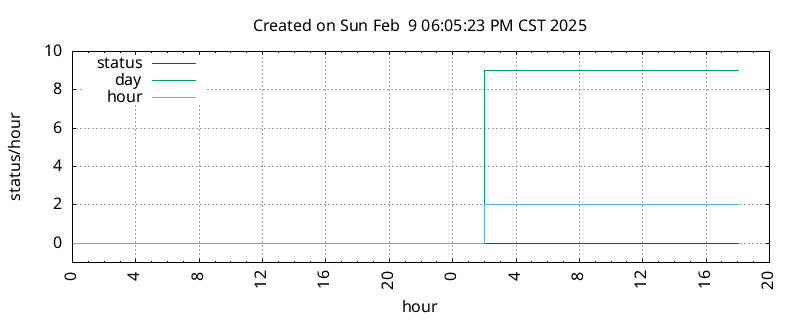
Not as bad as in the spring but February being a short month really confuses people.
Starting at 9PM is still a day early:
KDTX (RF 21)
As usual, a surprisingly small number of stations started the process on time:
KHFD (RF 13)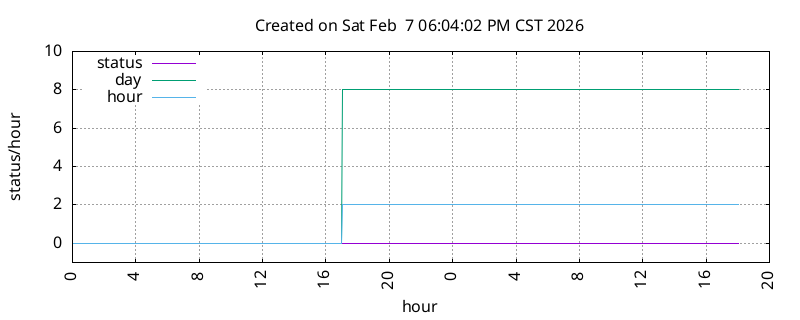
KXAS (RF 24)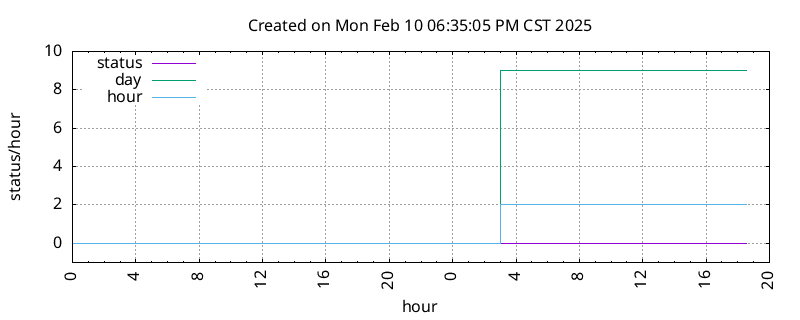
KDTN (RF 29)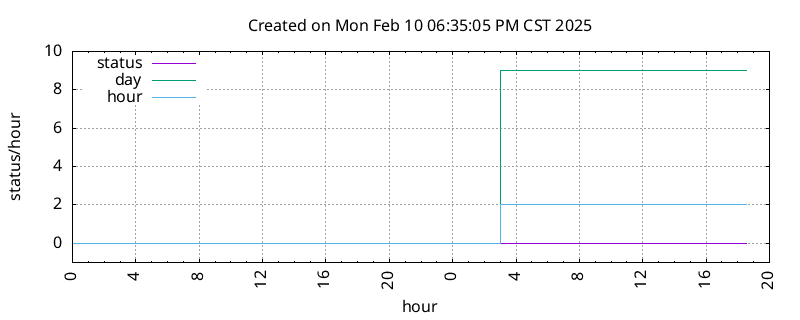
KUVN (RF 33)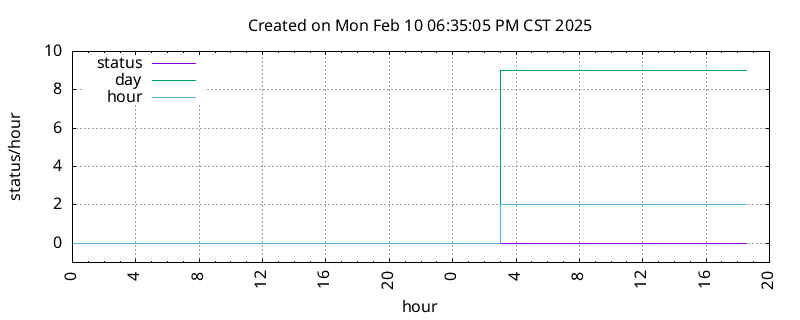
KXTX (RF 36)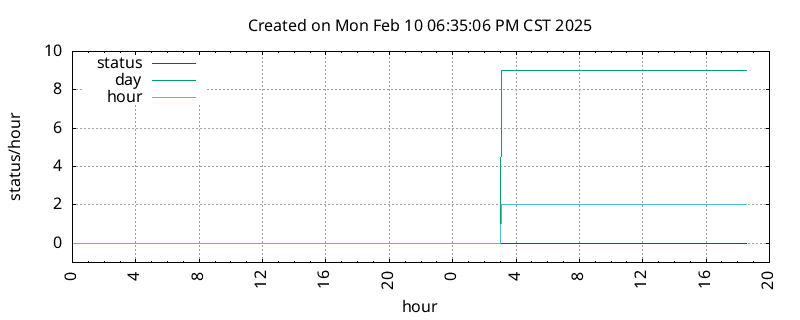
Better late than never:
WFAA (RF 8)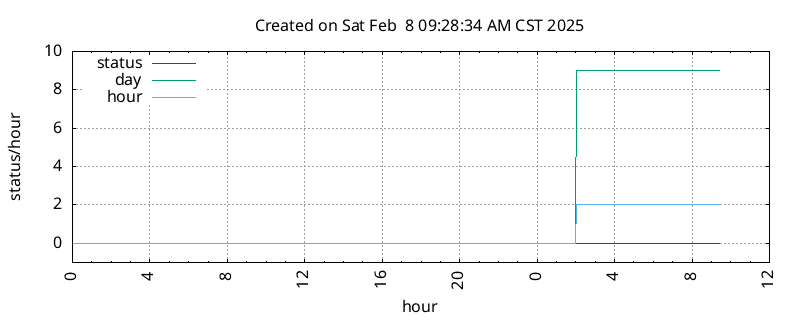
KERA (RF 14)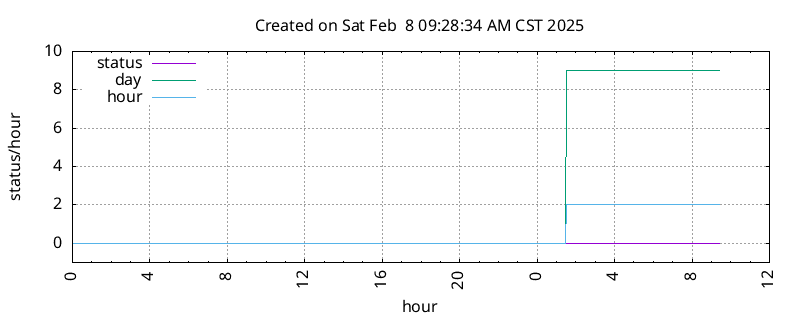
KTXD (RF 23)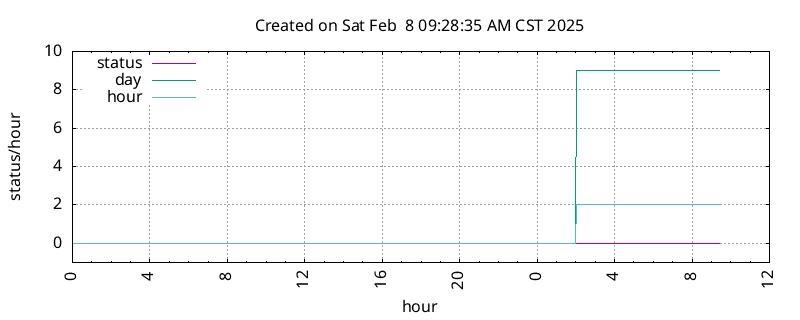
KPXD (RF 25)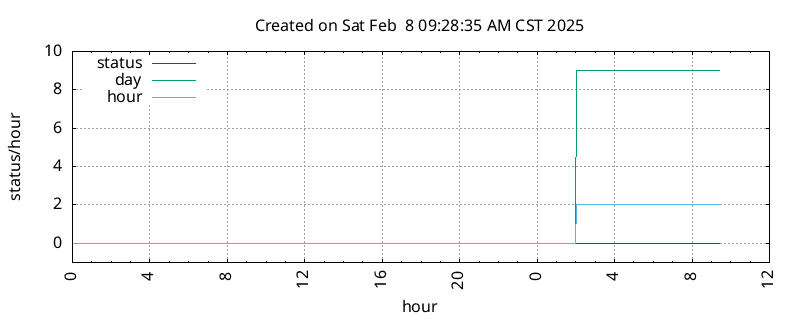
KFAA (RF 30)
But still too many stations that should know better haven't set their day/time data.
Since I no longer have the space limitataions with my Earthlink pages I can make data from previous transitions available here rather than rely on the Internet Archive.
| 2015 | spring | fall |
| 2016 | spring | fall |
| 2017 | spring | fall |
| 2018 | spring | fall |
| 2019 | spring | fall |
| 2020 | spring | fall |
| 2021 | spring | fall |
| 2022 | spring | fall |
| 2023 | spring | fall |
| 2024 | spring | fall |
| 2025 | spring | fall |
| 2026 | spring | fall |